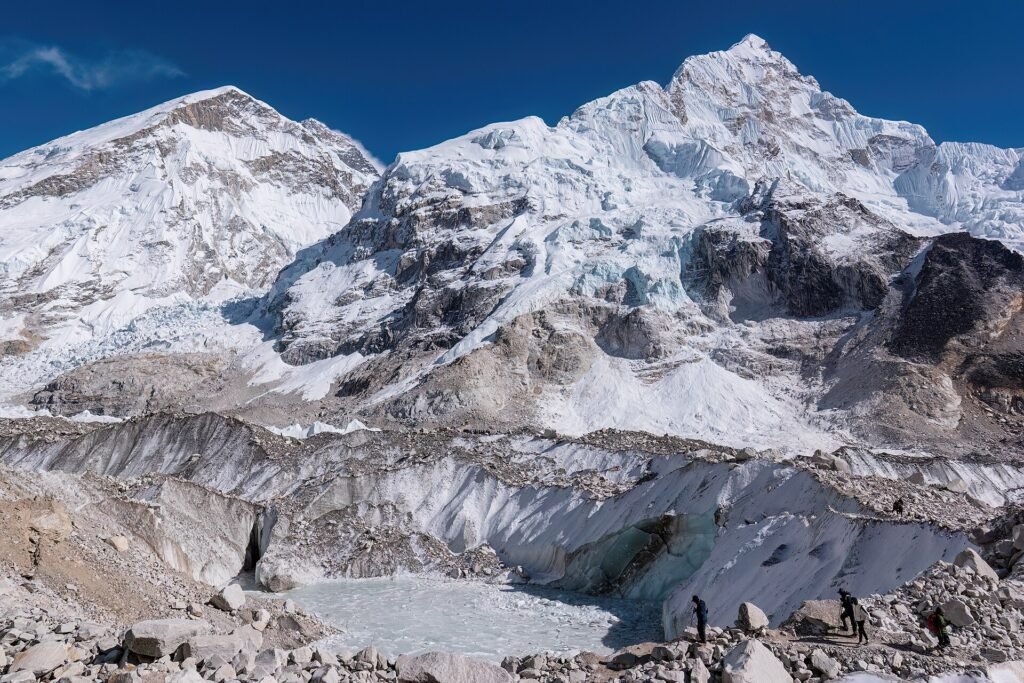
Forty-One Hours: Hermann Buhl Alone on Nanga Parbat
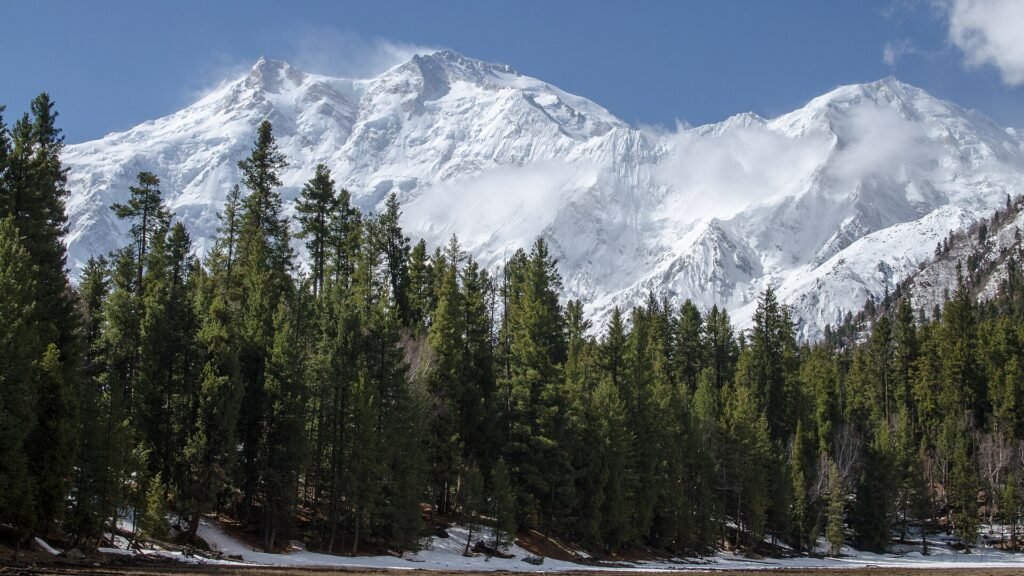
The first ascent of Nanga Parbat on 3 July 1953 is the only time an 8,000 m peak has been climbed for the first time by someone acting alone. It remains, seventy years on, one of the least repeatable things anyone has done in the mountains, and it happened partly because a man ignored an order.
A mountain with a debt
Nanga Parbat had a reputation before anyone stood on it. Repeated German attempts through the 1930s ended badly, and the mountain accumulated a death toll that gave it a grim national significance in Germany and Austria. It acquired a nickname, the Killer Mountain, and the nickname was earned rather than marketed.
The 1953 expedition was led by Karl Herrligkoffer, half-brother of a climber who had died there in 1934. It was, in part, an attempt to settle a family account. Among the climbers was Hermann Buhl, an Austrian with a reputation for endurance and for doing things his own way.
The order, and the departure
As the weather turned uncertain, Herrligkoffer sent word for the high party to withdraw. Buhl did not withdraw. In the small hours of 3 July he left the high camp alone and started up.
Ahead of him lay some 1,300 vertical metres of ground he would cover without a rope, without a partner, and without supplemental oxygen. He carried very little. At some point he left his rucksack behind to move faster, which meant abandoning most of what would have made a night out survivable.
He took Pervitin, a methamphetamine preparation then carried by many climbers and soldiers, which is part of the record and part of why the feat is difficult to place. It does not manufacture the ground he covered. It does help explain how a man kept moving for as long as he did.
He reached the summit at around seven in the evening, far too late, and did what climbers do at the top: he took photographs and left an ice axe. Then he turned round into the dark.
What he had, and what he did not
It is worth being concrete about the equipment, because it is the difference between this story and a modern one. Boots of the period were leather, heavy, and slow to dry. Down clothing existed but was bulky and limited. There was no lightweight synthetic insulation, no reliable headtorch by current standards, no radio in his pocket, no forecast beyond what the sky was doing, and no prospect whatsoever of a helicopter.
Having left his rucksack, he had no stove, which meant no water. Dehydration at that altitude thickens the blood and accelerates frostbite. Every hour he remained high made the next hour more dangerous, and he had no way to reverse any of it except by descending, which the dark had taken away.
The ledge
He did not get far. Night caught him near 8,000 m, on ground too steep to lie down on, and he stopped on a narrow ledge barely wide enough to stand.
So he stood. All night. No tent, no sleeping bag, no oxygen, no stove, holding a small handhold to stay upright, at an altitude where the body is actively dying. The temperature did what it does up there. He lost feeling in his feet and kept standing, because sitting down meant not getting up.
It is worth pausing on the arithmetic. Most people who have spent an unplanned night above 8,000 m without equipment did not come back to describe it. Buhl came back, and then walked down.
Coming down
He reached his companions around forty-one hours after leaving, having lost toes to frostbite and, in the photographs taken immediately afterwards, appearing to have aged a decade in two days. The face in those images is the most eloquent record of the climb that exists.
The aftermath was less clean than the ascent. Buhl had summited in defiance of the expedition leader, and the argument over credit, obedience and ownership of the achievement ran on for years in the courts and the climbing press. Success on a mountain has rarely settled a dispute at the bottom of one.
What he did next
Four years later Buhl was in the Karakoram for the first ascent of Broad Peak, climbed in 1957 by a party of four in what was then a radical style: no supplemental oxygen, no high-altitude porters, no siege. It is arguably the more influential climb of his career, because it demonstrated that the fourteen highest mountains might be approachable the way the Alps were.
Weeks later, on nearby Chogolisa, he walked onto a cornice in poor visibility and it collapsed. His body was never recovered. He was thirty-two.
Why it still matters
Buhl’s Nanga Parbat is often filed under heroism, which flattens it. The more useful reading is that it sits exactly on the boundary between the two eras of Himalayan climbing: the national siege expedition, with its camps and porters and chains of command, and the lightweight self-reliant ascent that Broad Peak previewed and that later climbers made standard.
He did the first while behaving like the second, which is precisely why it caused so much trouble at the time. The magazines that still cover this ground, Alpinist among them, return to 1953 regularly, because the questions it raises about solo risk and expedition authority have never actually been resolved.
A man was told to come down, went up instead, and survived a night standing on a ledge in the death zone. Whatever else that is, it is not settled.