Why Skardu Flights Cancel, and What to Do About It
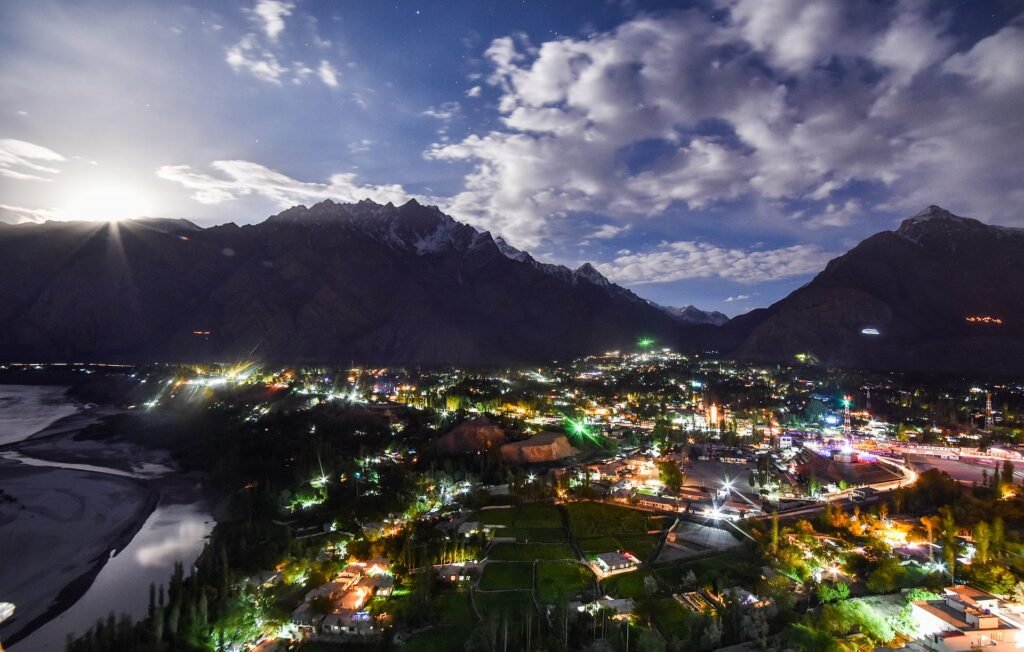
Every Karakoram trip has a moment where the itinerary meets reality, and for most parties it happens at Islamabad airport, at dawn, when the Skardu flight is cancelled.
This is not bad luck. It is the normal operating condition of the route, and the parties who cope well are the ones who planned for it before they left home.
Why the route is difficult
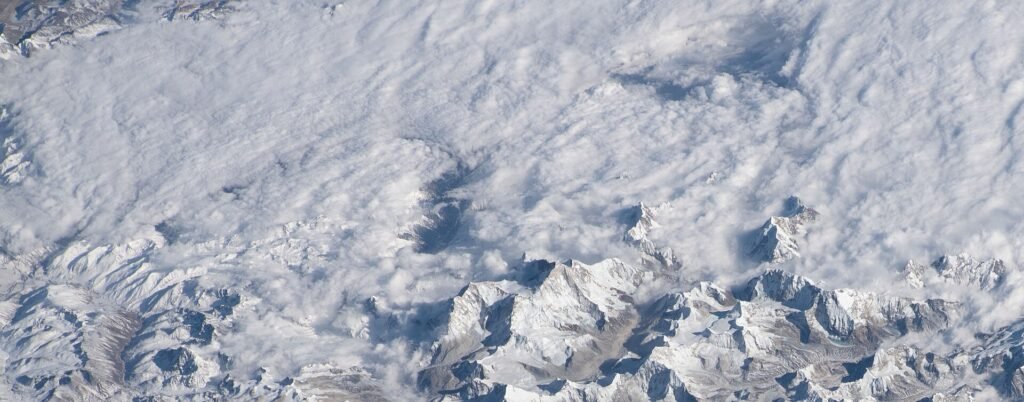
The flight crosses some of the most severe terrain on the planet, threading the corridor past Nanga Parbat and into a valley ringed by mountains. Aircraft must be able to see where they are going, and the margins for manoeuvre are small.
The consequence is that the service is highly weather-dependent. Cloud in the valley, cloud on the route, wind over the passes, or poor visibility at either end will stop it. Conditions can be perfect in Islamabad and unusable at Skardu, or clear at both ends and unflyable in between.
Mornings are generally better than afternoons, which is why the flights are scheduled early, and why a delay often becomes a cancellation rather than a later departure.
What happens when it cancels
Passengers roll to the next available service, along with the passengers already booked on it. During the short summer season, when every expedition and trekking group is trying to move in the same direction at the same time, a single cancelled day can take several days to clear.
This is the part that damages itineraries. One lost morning is an inconvenience. Three lost days removes your buffer, your rest day, and eventually your objective.
The road
The alternative is to drive, following the Karakoram Highway and then the Skardu road along the Indus. It is a long day and a half or more depending on conditions, it is tiring, and sections are subject to landslides and roadworks.
It is also almost entirely reliable, and it has one genuine advantage the flight does not: it gains altitude gradually. Arriving in Skardu by road after a day of climbing through the gorges is, physiologically, a better start to a trek than being deposited at 2,230 m in fifty minutes. Our guide to acclimatisation explains why that matters more than it sounds.
How to plan around it
Build at least two spare days into the front of the trip, before the trek begins, and treat them as spent. If the flight works, you have two days in Skardu to organise, adjust and acclimatise, which is not wasted time. If it does not, you have absorbed the problem without touching the mountain schedule.
Do not book the flight as the only option. Confirm with your operator that a vehicle can be arranged at short notice, and agree in advance who decides and when. The worst version of this is a group standing in a terminal at nine in the morning, debating, while the road option quietly becomes a night drive.
Keep your critical equipment in hand baggage where possible, because holds get shuffled between rolled flights. Assume no useful connectivity once you are north, and set expectations at home before you leave rather than trying to explain a three-day silence afterwards.
The upside
When it does fly, it is extraordinary. The aircraft passes close enough to Nanga Parbat that the mountain fills the window, and the descent into the Indus valley is unlike any other approach in commercial aviation.
Sit on the right-hand side heading north. And if it cancels, take the road, look out of the window, and consider that you are now acclimatising on schedule rather than arriving in an hour at an altitude your body has not agreed to.